
Effective Digital Marketing
In today’s digital age, businesses need to establish a strong online presence to stay competitive. Digital marketing is not just about promoting products or services online but about creating a comprehensive strategy that resonates with your target audience and drives tangible results.
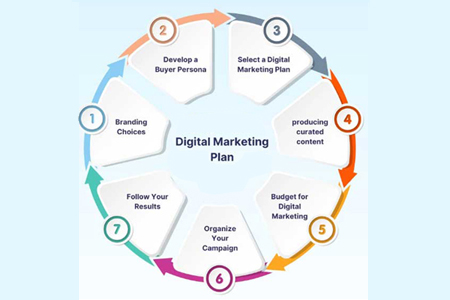
This article attempts to outline a comprehensive step-by-step approach to developing an effective digital marketing strategy, covering essential aspects like branding, buyer personas, digital marketing plans, content production, budgeting, campaign organization, and tracking results.
Branding Choices
Your brand is the face of your business in the digital world. It’s what makes you recognizable and sets you apart from your competitors. To start with, define your brand identity by determining your brand values, mission, and unique selling proposition (USP). These elements should be consistent across all digital platforms, from your website to social media channels. Visual elements such as logos, color schemes, and typography should also be cohesive to create a strong and memorable brand image. Remember, your branding choices should reflect the personality of your business and resonate with your target audience.
Develop a Buyer Persona
Understanding your target audience is crucial for a successful digital marketing campaign. A buyer persona is a detailed description of your ideal customer based on market research and real data about your existing customers. When creating a buyer persona, consider factors such as demographics, behavior patterns, motivations, and goals. This information will guide your marketing efforts, helping you tailor your content and strategies to meet the specific needs and preferences of your audience.
Select One or More Digital Marketing Plans
With a clear understanding of your brand and target audience, the next step is to choose narrow down to one or more digital marketing plans that aligns with your business goals. There are several types of digital marketing strategies to consider, that may include one or more of the following;
Search Engine Optimization (SEO): Enhancing your website to rank higher in search engine results.
Pay-Per-Click (PPC) Advertising: Driving traffic to your website through paid ads.
Social Media Marketing: Engaging with your audience on platforms like Facebook, Instagram, and LinkedIn etc…
Content Marketing: Creating valuable content to attract and retain customers.
Email Marketing: Nurturing leads and converting them into customers through targeted emails.
Whatsapp Marketing: The entire world is on Whatsapp, so this may be considered as a key component of your digital marketing strategy.
Choose the mix of strategies that best suits your objectives, whether it’s brand awareness, lead generation, or customer retention.
Developing Curated Content
As the saying goes “Content is King in Digital Marketing”. Curated content is content that is carefully selected and tailored to your audience’s interests and needs. This may include blog posts, videos, infographics, social media updates, and more. The key is to create content that provides value, educates, or entertains your audience. High-quality content not only attracts potential customers but also builds trust and credibility for your brand. Endeavor to maintain a consistent content calendar to keep your audience engaged and coming back for more.
Budget for Digital Marketing
Budgeting is an essential part of any digital marketing strategy. Determine how much you are willing to invest in your digital marketing efforts and allocate funds accordingly. Consider the costs associated with different digital marketing activities, such as content creation, advertising, software tools, and agency fees. It’s important to strike a balance between investing enough to achieve your goals and ensuring a good return on investment (ROI). Regularly review and adjust your budget based on the performance of your campaigns.
Organize Your Campaign
A well-organized digital marketing campaign is critical for achieving success. Start by setting clear, measurable goals for what you want to achieve. Next, outline the tactics and strategies you’ll use to reach these goals. Assign roles and responsibilities to your team members and establish a timeline for your campaign. Use project management tools to keep everything on track and ensure that all aspects of the campaign are executed efficiently.
Analyze Your Results
Tracking and analyzing your digital marketing results is essential to understand what’s working and what’s not. Use analytics tools to monitor key metrics such as website traffic, conversion rates, social media engagement, and ROI. Regularly review these metrics to assess the effectiveness of your strategies and make data-driven decisions. If a particular tactic isn’t delivering the expected results, be prepared to pivot and try a different approach. Continuous monitoring and optimization are key to long-term success in digital marketing.
In Conclusion
Digital marketing is a dynamic and ever-evolving field, but by following these steps, you can create a powerful strategy that drives results for your business. From making thoughtful branding choices to developing a detailed buyer persona and selecting the right digital marketing plan, each step plays a crucial role in building a strong online presence. Remember to produce high-quality content, manage your budget wisely, organize your campaigns effectively, and constantly keep track of the results of your campaign. With a well-executed digital marketing strategy, you can connect with your audience, build brand loyalty, and achieve your business goals.